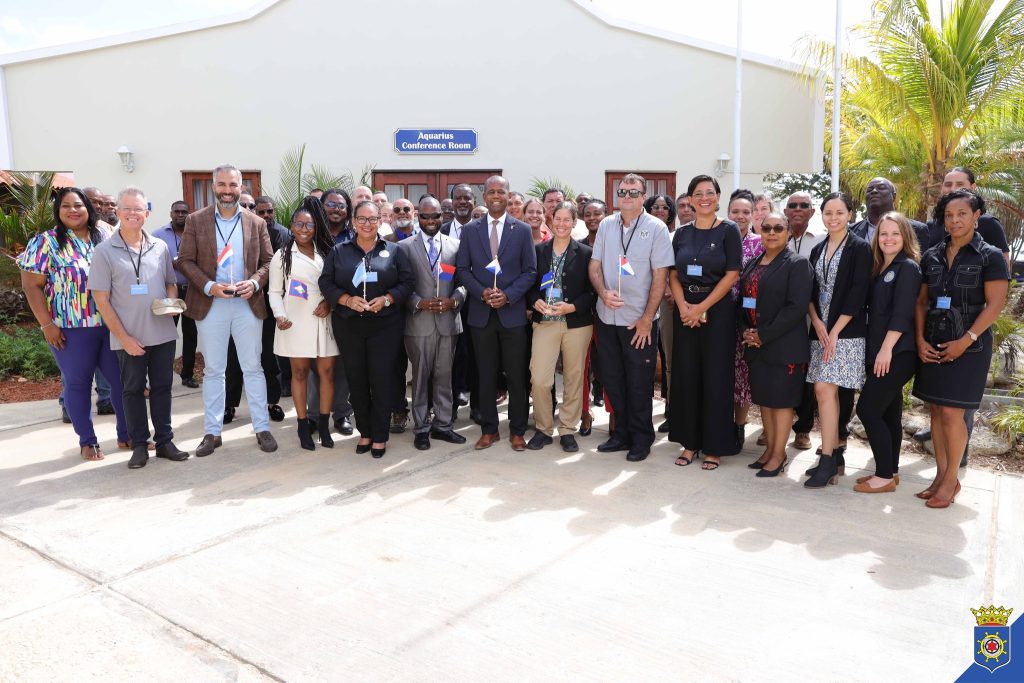
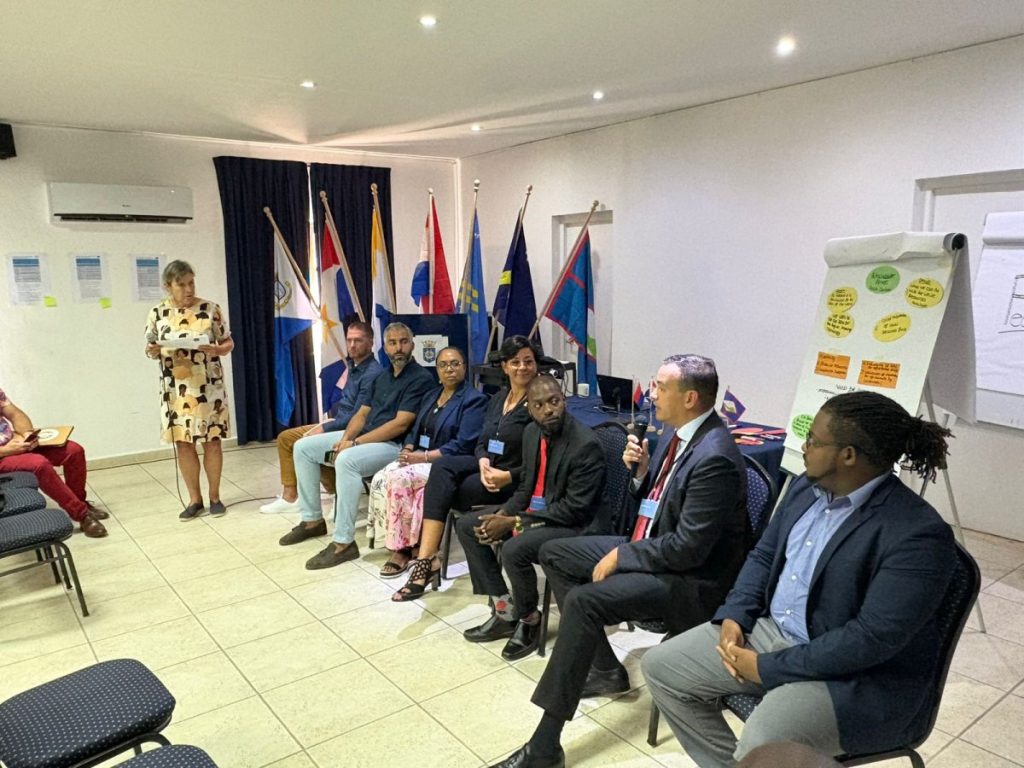
Aruba participated in the second annual Dutch Caribbean Agriculture, Livestock, and Fisheries Alliance (DCALFA) conference held in Bonaire. This important regional gathering brought together officials and experts from Aruba, Bonaire, Curaçao, Saba, St. Eustatius, St. Maarten, and the Netherlands to explore opportunities for sustainable agriculture, food security, and cross-island collaboration. Representing Aruba was Minister of Economic Affairs Geoffrey Wever, who shared the island’s comprehensive strategy for building a resilient and inclusive agricultural sector. His presentation highlighted how Aruba is addressing food security through innovation, education, and infrastructure development.
Aruba’s Agricultural Vision and the Role of the Agri-Innovation Park
At the heart of Aruba’s agricultural strategy is the Agri-Innovation Park (AIP), a cutting-edge hub currently under development. The AIP will combine production, research, and training in a single location, tailored to Aruba’s specific environmental and economic conditions. It aims to provide farmers with access to land, infrastructure, logistics, and technical support, lowering barriers for both experienced producers and new agri-entrepreneurs. Aruba’s strategy also includes the creation of a Center of Excellence within the AIP. This center will serve as a hub for innovation, showcasing agricultural technologies and offering specialized training and research opportunities.
Supporting the Next Generation of Agri-Entrepreneurs
To stimulate inclusive growth, Aruba is launching support mechanisms for emerging farmers. Programs such as Agri-Loan and the Agri-Business Academy will provide low-interest loans, entrepreneurial training, and guidance to those entering the sector. Aruba also plans to implement a product certification system, ensuring quality standards and enhancing the competitiveness of locally produced food. Education is another pillar of Aruba’s approach. School programs focused on nature and agriculture aim to inspire young people to pursue careers in sustainable farming. Simultaneously, initiatives to increase local protein production, especially through poultry and fisheries, will further strengthen food independence while supporting traditional livelihoods.
Strengthening Regional Cooperation Through DCALFA
During the conference, Minister Wever called for greater harmonization of agricultural legislation across the Dutch Caribbean. Standardizing policies will make it easier to invest, trade, and collaborate across the islands. Aruba is actively working to modernize its legal framework and is eager to lead a shared regional approach.
“Food security cannot be achieved in isolation. It’s a regional challenge, and Aruba is ready to take a leadership role in fostering strategic cooperation,” said Minister Wever.
Investing in the Future of Agriculture
Aruba’s participation in DCALFA is part of a long-term vision to position itself as a hub for sustainable agricultural development in the region. For investors, this translates into opportunities for collaboration in agri-tech, infrastructure, logistics, education, and innovation. With the foundation laid by the Agri-Innovation Park and backed by regional partnerships, Aruba is building a future-ready agricultural sector with real potential for impact and return.
Explore the Opportunities. Partner with Aruba.
To learn more about Aruba’s agricultural development strategy or explore investment opportunities in the Agri-Innovation Park, contact the Aruba Investment Agency (ARINA) today.